This Content Is Only For Subscribers
In the heat and humidity of a Greater Houston summer, landscaping is more than curb appeal. It is the buffer between your rental home and the pests looking for shade, moisture, food, and a way indoors. If the yard becomes overgrown or stays wet in the wrong places, pest problems often follow.
Welcome back to Maintenance Matters. This month, we are looking at the relationship between landscaping and pest pressure. A mid-summer check is not just about making the yard look presentable. It is about removing the shade, moisture, clutter, and entry points that can attract mosquitoes, roaches, ants, rodents, termites, and other common Houston-area pests. Grab your clipboard and a good pair of gloves.
The Defensive Perimeter: Trimming and Pruning
Insects and rodents are opportunists. During extreme heat, they look for shade, water, and access to cooler indoor spaces. Overgrown landscaping can provide a direct path from the yard to the siding, roofline, windows, and attic vents.
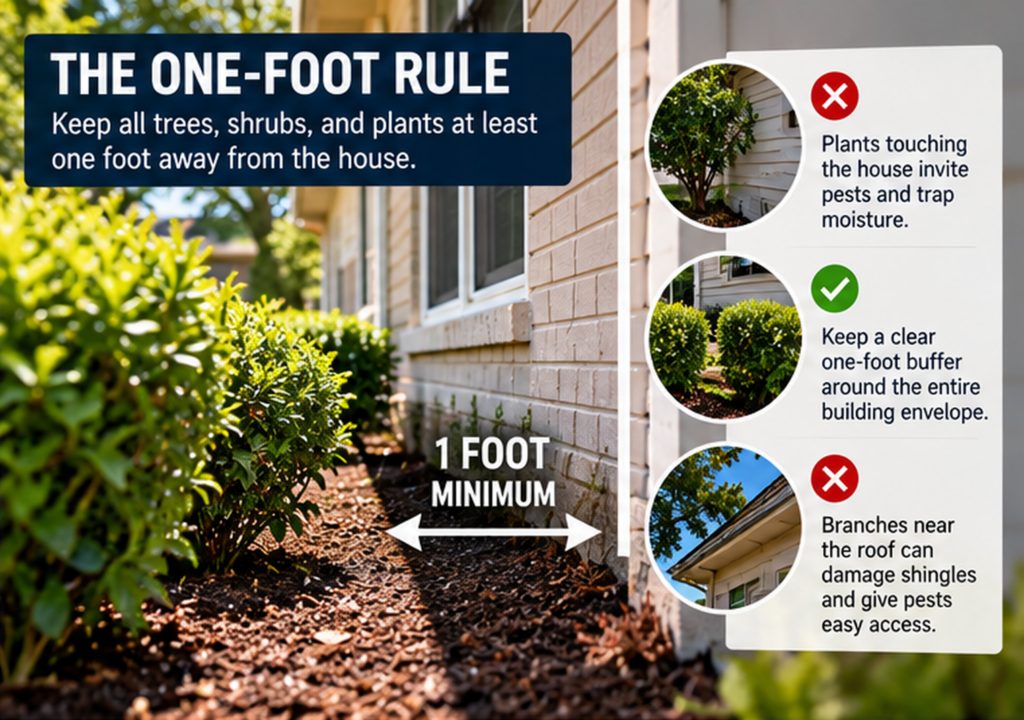
The One-Foot Rule
Walk the perimeter of the house. Your goal is to establish a strict, one-foot defensive zone around the entire building envelope. No tree branches, shrubbery, or tall grass should touch the siding, the roof, or the windows.
When tree branches scrape against the roof, they can damage shingles and give rodents easier access to roof and attic areas. When shrubs press against siding, they trap moisture and hide insect activity. In Greater Houston, where warm temperatures and humidity can keep many pests active for long stretches of the year, keeping vegetation off the structure makes inspection and prevention much easier.
Mulch and Ground Cover
Inspect the ground cover near the foundation. Mulch is useful for retaining soil moisture and protecting plants, but thick organic material placed directly against the house can also provide shelter for insects and hold moisture against the structure. Keep mulch from piling against the slab or siding. Where appropriate, use a thinner layer or non-organic material near the building while still protecting the landscape from summer heat.
Eliminating Breeding Grounds: Moisture Control
Pests need food, shelter, and water. In Greater Houston, summer thunderstorms and irrigation can leave small pockets of standing water all over a property. Buckets, clogged drains, planters, gutters, toys, and low spots can hold enough water to support mosquitoes and other pests.
The Irrigation System
Run the irrigation system through each zone and look for broken heads, leaking valves, overspray, and areas that stay wet long after watering. Houston landscapes already receive periods of heavy summer rain, so irrigation should not be creating permanent wet spots between storms. A leaking sprinkler wastes water, stresses the landscape, and gives mosquitoes and insects a reliable habitat.
Gutters and Drainage
Gutters are just as important for pest control as they are for roof drainage. A clogged gutter filled with leaves and standing water can become an ideal mosquito breeding area after a Houston thunderstorm. Keep gutters clear and make sure downspouts move water away from the foundation. If one area of the yard repeatedly holds water, correct the drainage problem rather than treating mosquitoes week after week.
The Interior Defense: Sealing the Envelope
Once you have removed exterior bridges and standing-water sources, focus on entry points. Roaches and insects need only a narrow gap, and rodents can exploit surprisingly small openings. Greater Houston’s long warm season and humid conditions make it especially important to keep the building envelope tight and easy to inspect.
Weatherstripping and Door Sweeps
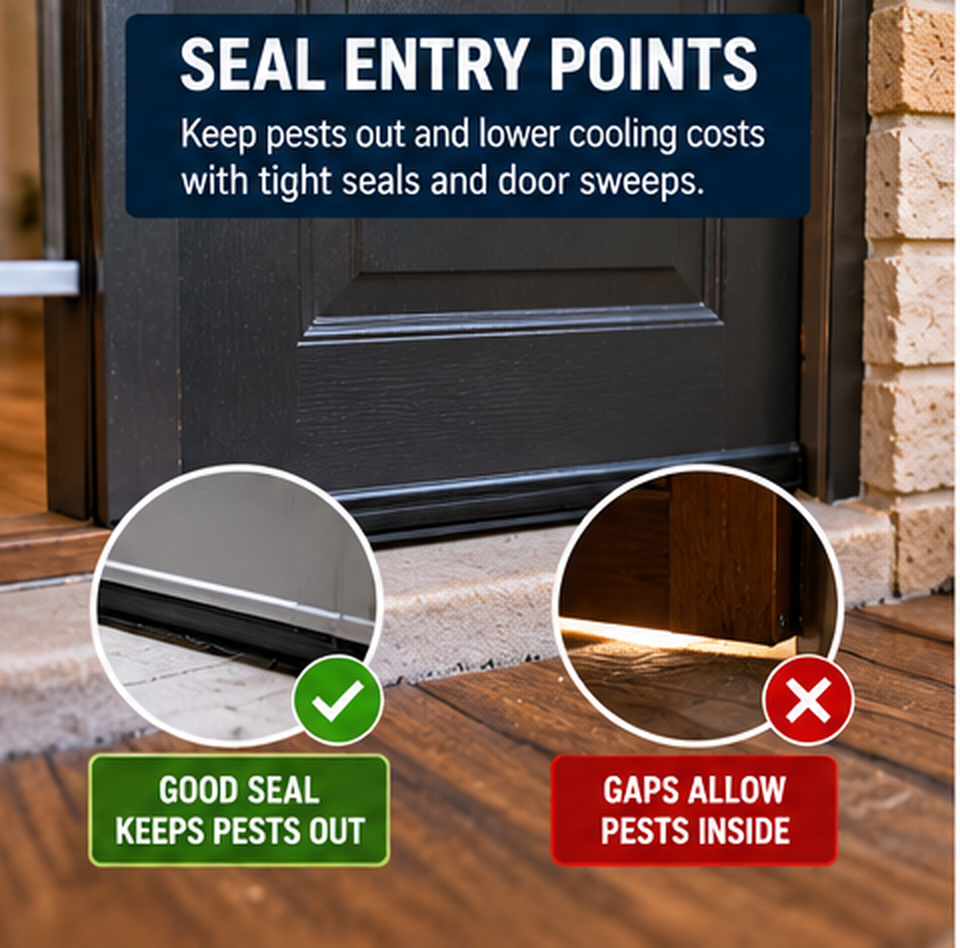
Inspect the exterior doors, particularly the bottom edge. If you can see daylight under the door, pests can walk right in. Replace worn door sweeps and ensure the weatherstripping around the door frame is tight. This simple fix not only blocks pests but also significantly reduces cooling costs.
Penetration Points
Walk the exterior and locate every place where a pipe, wire, cable, or vent passes through siding or brick. This includes AC refrigerant lines, plumbing penetrations, utility lines, and dryer vents. Houston sun, humidity, and repeated storms can degrade caulk and sealants over time. Reseal gaps with a material appropriate for the opening, and use pest-resistant methods where needed without blocking required ventilation or drainage.
By controlling landscaping, eliminating unnecessary moisture, and sealing obvious entry points, Greater Houston landlords can prevent many pest complaints before they start. The yard stays easier to maintain, the building envelope stays easier to inspect, and tenants get a cleaner, more comfortable summer.