This Content Is Only For Subscribers
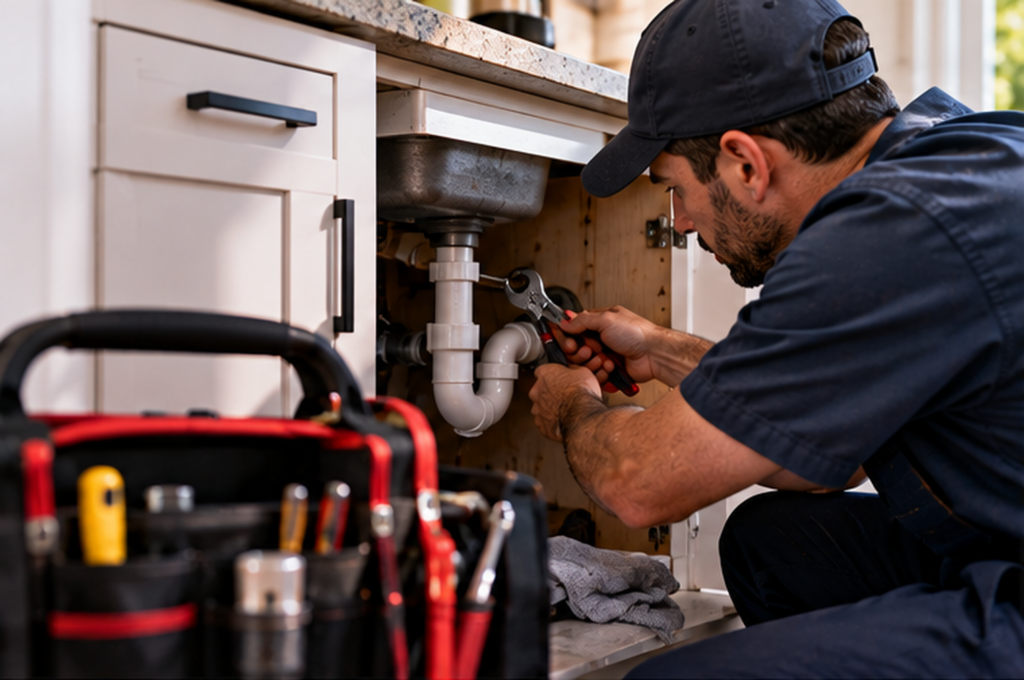
In the property management business, the gap between a maintenance event and the corresponding financial transaction is where money gets lost. When an emergency plumber fixes a broken pipe on a Saturday night at one of your Houston-area rentals and you pay the invoice from your business account on Tuesday, how long does it take for that expense to appear in the property’s actual numbers?
Welcome back to Rental Technology. If your answer involves manual data entry, cross-referencing a spreadsheet, or waiting until the end of the month to update your books, your workflow is fractured. This month, we are looking at the operational leverage gained by connecting maintenance tracking with payment and accounting systems, something that becomes especially valuable during a busy Greater Houston summer.
The Cost of Fractured Systems
Many independent landlords operate in silos. They use one app to collect rent, a separate email folder to track maintenance, and completely separate accounting software to manage the books.
This fractured approach creates administrative friction. A summer thunderstorm may damage a fence or roof, wind-driven rain may expose a leak, an HVAC system may fail during a long heat wave, or a condensate or plumbing issue may need immediate attention. You receive a maintenance request, dispatch a vendor, receive an invoice, pay it, and then still have to remember to record the expense, categorize it correctly, and attach the receipt for tax and property-level reporting.
Every extra manual step creates another opportunity for a data-entry mistake, a missing receipt, or an expense that never gets tied back to the correct property. Over a busy summer, those small gaps add up.
The Power of the Unified Ledger
The solution is a more unified system where the operational action, such as the maintenance ticket, is connected to the financial record. Dedicated property management platforms like Buildium, AppFolio, and TenantCloud are designed around this idea.
The Automated Vendor Payment Loop
In an integrated system, the workflow is much cleaner. The tenant submits a maintenance request through the portal. You assign the ticket to your vendor within the platform. When the vendor completes the work, the invoice can be uploaded directly to that specific ticket.
If the platform also handles accounting or bill payment, you can review and pay the invoice from the same system. The expense can then be linked to the correct property, categorized appropriately, and stored with the digital invoice. That reduces duplicate entry and makes it easier to understand what each Greater Houston rental is actually costing you to operate.
The gap between the maintenance event and the financial record becomes much smaller. Instead of reconstructing the story weeks later, the operational and financial records stay connected as the work happens.
The Tenant Chargeback Scenario
This integration is also useful when a repair may be chargeable to a tenant under the lease. Suppose a plumbing stoppage is determined to have resulted from tenant-caused damage or misuse. Whether that cost can be charged back, and how it should be handled, depends on the lease, the facts, and applicable law.
In a fractured system, you pay the plumber and then have to separately document the reason for the charge, update the tenant ledger if appropriate, send the supporting information, and make sure the accounting record matches the maintenance file.
In an integrated system, the vendor invoice, work order, photos, notes, and any approved tenant charge can remain tied together. The tenant ledger can reflect the charge separately from rent according to your lease and accounting process, giving you a cleaner record if the amount is later questioned.
Integrating General Tools
If you are not using a dedicated property management platform, you can still connect parts of the workflow through integrations. For example, if you use a task manager to track maintenance and QuickBooks Online for accounting, an automation service such as Zapier can help move information between them.
You might create a rule that says: “When a maintenance task is moved to Completed, create a draft bill or expense record in the accounting system.” You still review the transaction before payment, but the repetitive data entry is reduced.
Real-Time Financial Visibility
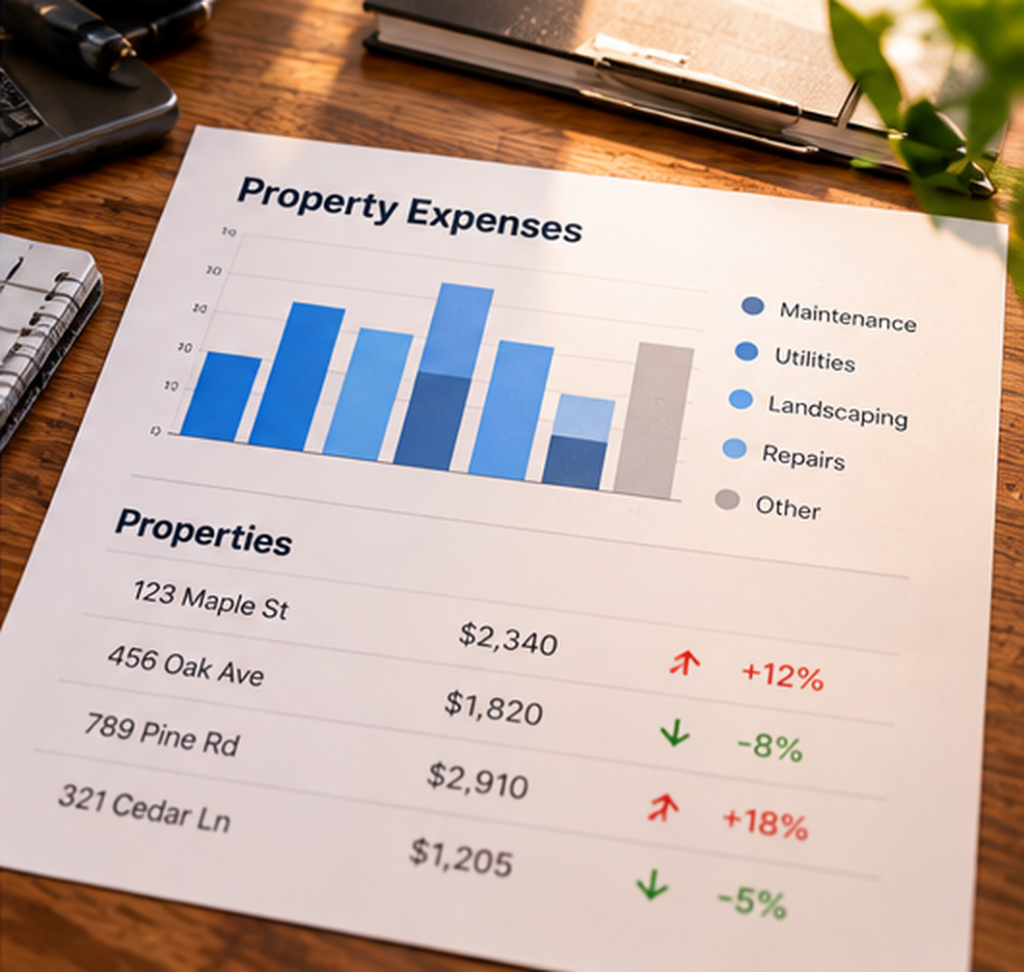
By integrating maintenance and payment tracking, you gain much better visibility into the financial health of the portfolio. You do not have to wait until year-end to discover that one property is absorbing repeated HVAC calls, plumbing expenses, drainage work, storm repairs, or summer landscaping costs. You can see the pattern while there is still time to respond.
Stop spending time reconstructing your own records. Connect the tools, reduce duplicate entry, and keep your attention on managing the asset rather than chasing paperwork.