This Content Is Only For Subscribers
In the hierarchy of landlord responsibilities, safety compliance is paramount. For landlords across the Greater Houston Area, summer turnovers can compress inspection schedules at the same time heat, humidity, heavy rain, and storm season are putting additional stress on homes. A missed safety item can create far more exposure than the cost or inconvenience of correcting it before move-in.
Welcome back to Landlord Legal Lowdown. This month, we focus on the safety inspections and compliance obligations imposed by the Texas Property Code, with an added eye toward the realities of rental housing in the Greater Houston Area. As summer turnover accelerates, landlords may be tempted to rush make-readies. Smoke alarms, required security devices, rekeying, and basic life-safety checks should remain non-negotiable parts of the turnover process, particularly after a property has experienced storm, water, or repair work.
The Statutory Mandate for Smoke Alarms
Texas Property Code Subchapter F establishes requirements for the installation, inspection, and maintenance of smoke alarms in residential rental properties. Local building or housing rules may add another layer depending on the property’s exact jurisdiction within the Houston metro. Compliance is not simply a matter of seeing a device on the ceiling. The landlord should verify that required alarms are properly located and functioning when the tenant takes possession.
Required Placement
Under Section 92.255, a landlord must install at least one smoke alarm in each separate bedroom in a dwelling unit. In addition, if multiple bedrooms are served by the same corridor, there must be at least one smoke alarm in the corridor in the immediate vicinity of the bedrooms. If the dwelling unit has multiple levels, there must be at least one smoke alarm on each level.
These are not guidelines; they are statutory mandates. A landlord cannot rely on a tenant to install their own alarms, nor can a landlord shift the responsibility for initial installation to the tenant via the lease agreement.
The Inspection and Testing Imperative
The critical compliance point for landlords occurs at the beginning of a tenant’s possession. Section 92.258 requires the landlord to determine that each required smoke alarm is in good working order at that time by using the test button or another approved testing procedure. During the lease, including a renewal or extension, the landlord’s statutory duty to inspect or repair is generally triggered when the tenant gives notice of a malfunction or requests an inspection or repair.
For a Greater Houston landlord, the practical move-in procedure should be simple: test every required alarm before keys are released, correct any problem immediately, and record the result. Even though Texas law does not require a new full test solely because a lease is renewed in every circumstance, including smoke alarms on a renewal or periodic inspection checklist is a sensible risk-management practice, especially after roof work, water damage, electrical repairs, or other major service activity.
Documentation is Essential
A documented paper trail is valuable. Landlords should use a smoke-alarm and security-device checklist as part of the move-in file, with the date of testing, the person who performed the check, and any repair or replacement completed. A tenant acknowledgment can strengthen the record, but it does not replace the landlord’s statutory duties.
Mandatory Security Devices
Texas law is equally specific about security devices in rental dwellings. Subchapter D of the Property Code identifies devices that landlords must install at the landlord’s expense, subject to statutory exceptions. For older houses throughout the Greater Houston Area, turnover is a good time to verify that prior renovations, storm repairs, replacement doors, and window work have not left the property out of compliance.
Required Devices
Section 92.153 generally requires residential dwellings to have the security devices listed by the statute, including window latches, required exterior-door locks, and sliding-door security devices where applicable. Landlords should compare the actual doors and windows at the property with the current statutory requirements rather than assuming that hardware installed years ago still satisfies them.
Texas law also generally requires a keyless bolting device and a door viewer on exterior doors, subject to specific statutory exceptions. These details are easy to miss during a fast make-ready, particularly in older Houston-area housing where doors may have been replaced or modified over time.
The Rekeying Requirement
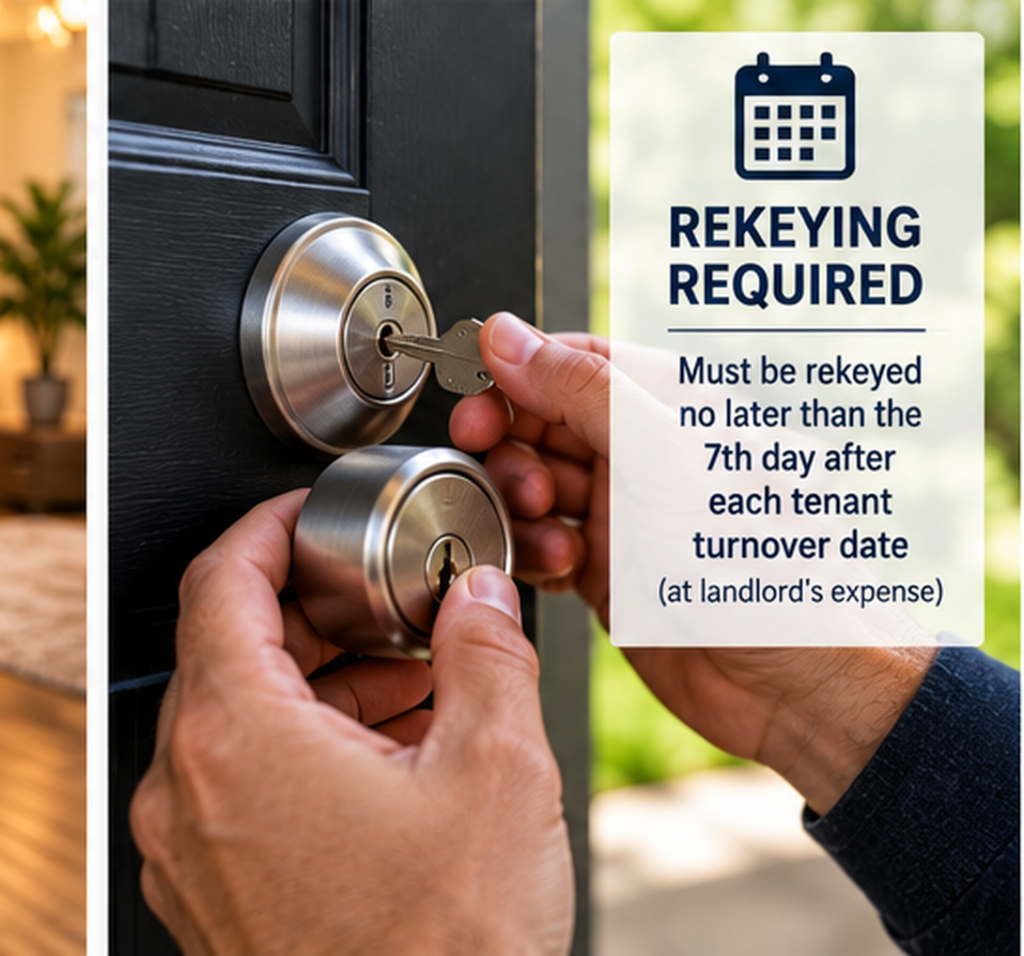
One of the most important turnover obligations is rekeying. Section 92.156 generally requires a security device operated by a key, card, or combination to be rekeyed at the landlord’s expense no later than the seventh day after each tenant turnover date, subject to the statute’s exceptions.
The requirement applies even when the prior tenant returned keys. A documented rekey record showing the property, date, device, and person or vendor completing the work can be invaluable if access is later disputed. For landlords managing several Greater Houston houses at once, building the rekey into the turnover work order helps prevent it from being forgotten during a busy leasing season.
Conclusion: The Cost of Non-Compliance
The safety requirements in the Texas Property Code are designed to protect tenants, and violations can carry statutory remedies, damages, court costs, and attorney’s fees depending on the provision involved. Local code enforcement can create an additional layer of exposure, and requirements may differ between the City of Houston and neighboring municipalities.
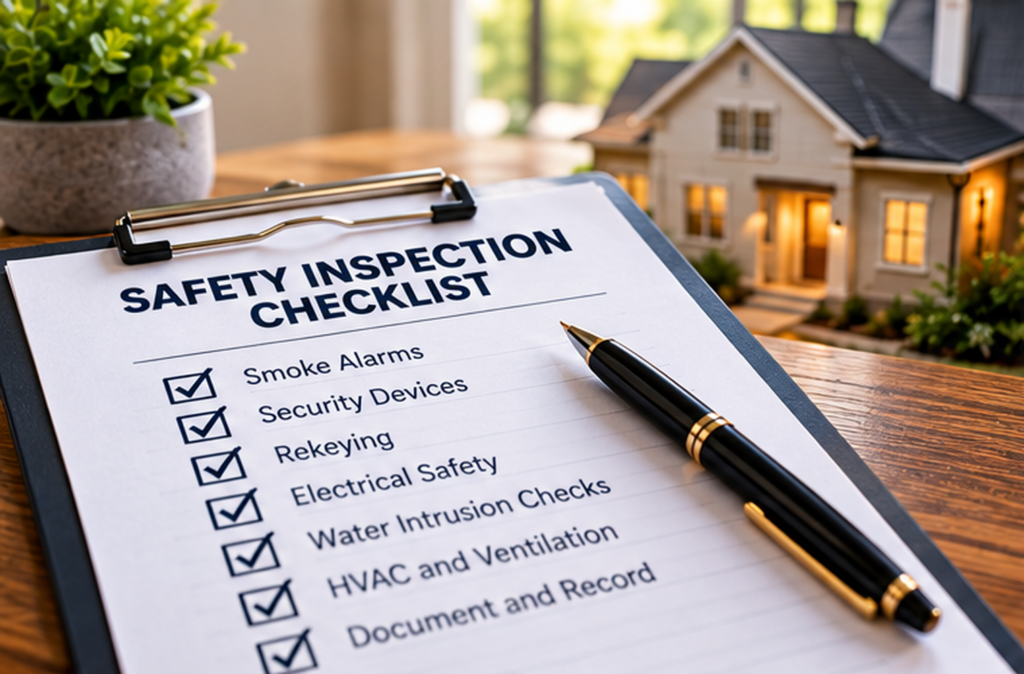
The practical answer is a standardized turnover checklist. Test required smoke alarms, verify security devices, complete the rekey, address obvious electrical or structural hazards, look for signs of unresolved water intrusion or moisture problems, and document the work before the new tenant settles in. In a busy Greater Houston leasing season, that discipline protects both the tenant and the property owner.