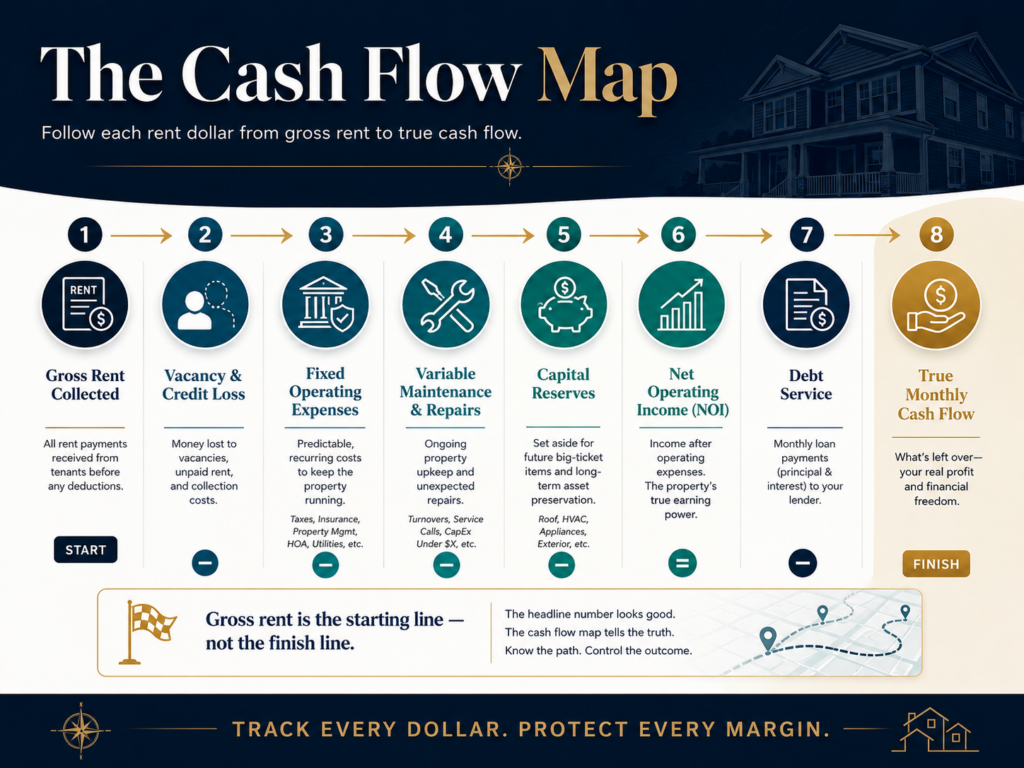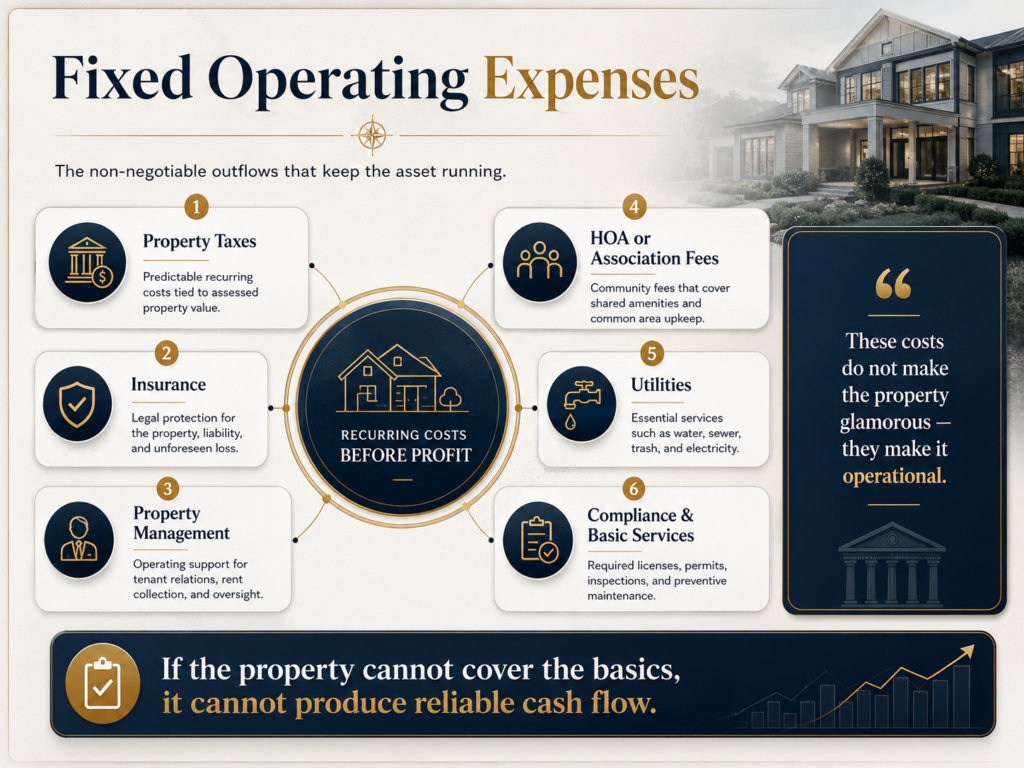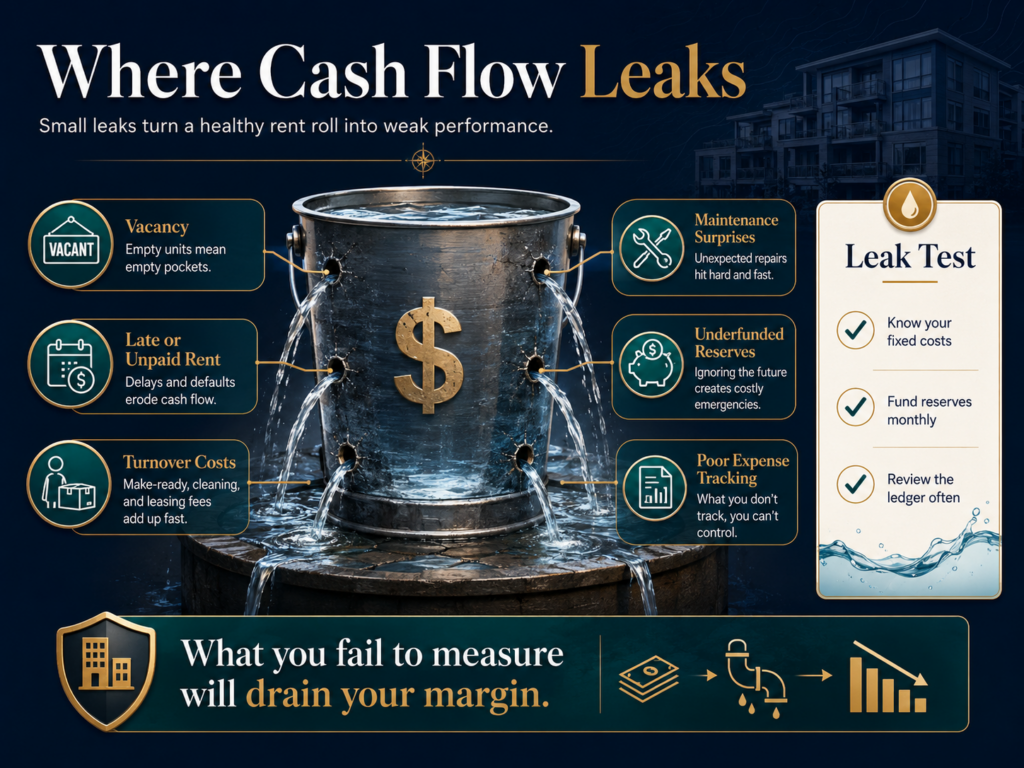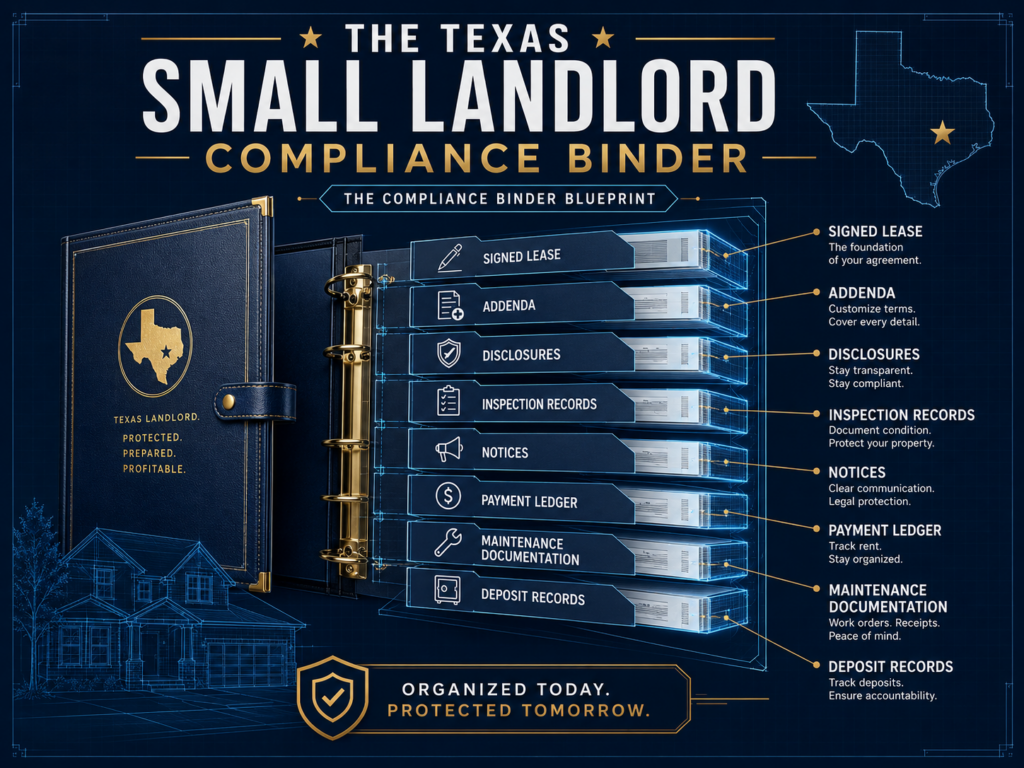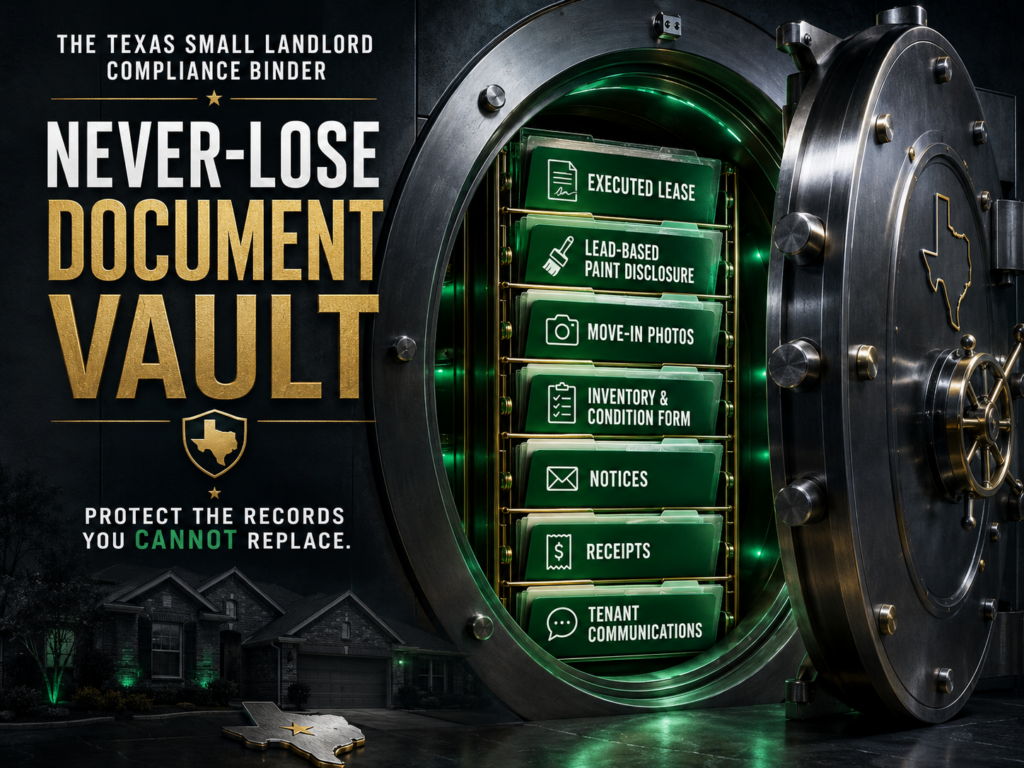
For homeowners considering rental income, long-term rental conversions can look like the simplest way to put an underused home to work. The upside is real: residential real estate rentals can provide steadier cash flow, help cover ongoing costs, and build long-term value while someone else lives in the space. The tension is that rental property benefits come attached to the challenges of property renting, tenant reliability, wear and tear, legal expectations, and the time it takes to keep a place consistently livable. Knowing what to expect makes the decision clearer and the transition far less stressful.

Quick Summary: Make Your Home Rent-Ready
- Focus on profitable rental property features that attract long-term tenants and support steady income.
- Follow a basic tenant screening process to choose reliable renters and protect your property.
- Compare property management options and pick the level of hands-on help you need.
- Tackle pre-rental repair buckets early, starting with landscaping and facade improvements for strong curb appeal.
Make Plumbing Rental-Ready: Inspect, Fix, and Prevent in One Pass
Once you’ve mapped out your profit plan, the fastest way to protect it is to prevent the “surprise” plumbing problems that spark costly repairs and tenant complaints. Before you rent, give the whole system a proactive once-over: check visible pipes and connections for leaks (under sinks, behind toilets, at the water heater), and pay attention to any damp spots or staining that suggest water has been escaping for a while. Update worn fixtures, drippy faucets, loose handles, or tired shutoff valves, so you’re not getting a maintenance text the first week a tenant moves in.
The goal is simple: make sure pipes, supply lines, drains, and your water system are in solid working condition now, when you can fix issues on your schedule instead of in an emergency. Ongoing maintenance is also easier when you can quickly source dependable replacement parts, so it helps to have a go-to place for prepping your rental’s plumbing as you inspect and swap out anything that’s past its prime; follow along here to learn more.
Turn Your Home Into a Long-Term Rental, Step by Step
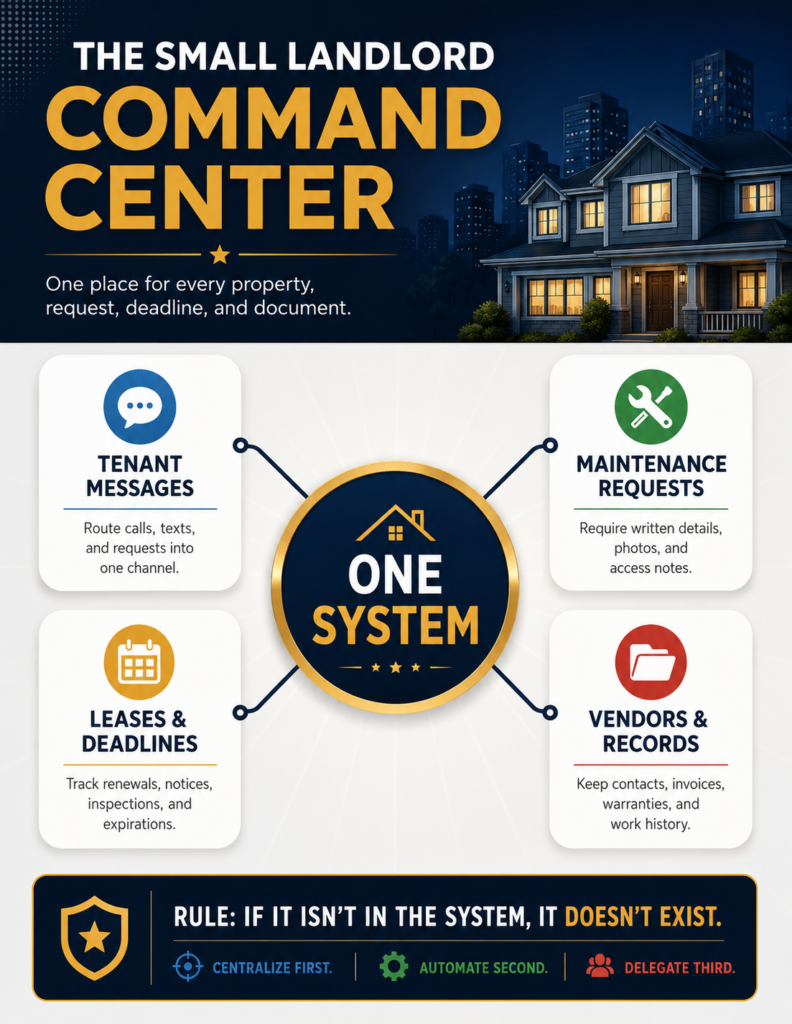
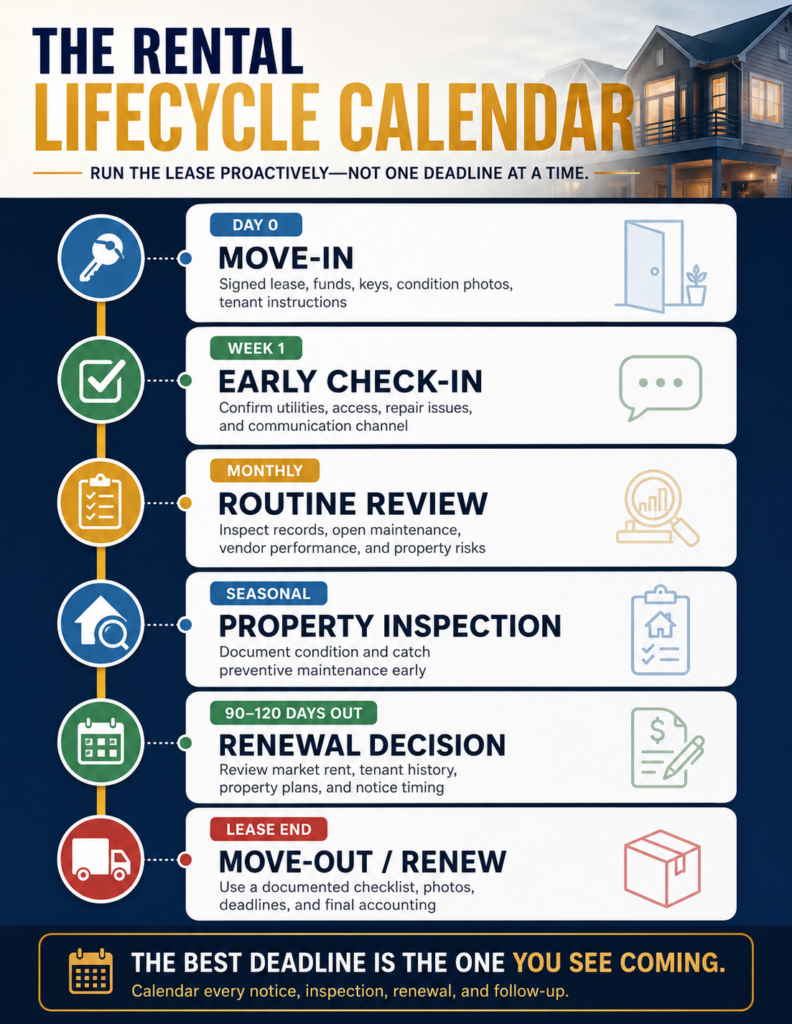
This process helps you go from “house” to “rental” with fewer headaches by getting the property ready, choosing the right tenant, and setting up a system to keep the place running smoothly. For most homeowners, the goal is simple: protect your time, your budget, and your peace of mind.
- Finish property prep for tenant-ready living
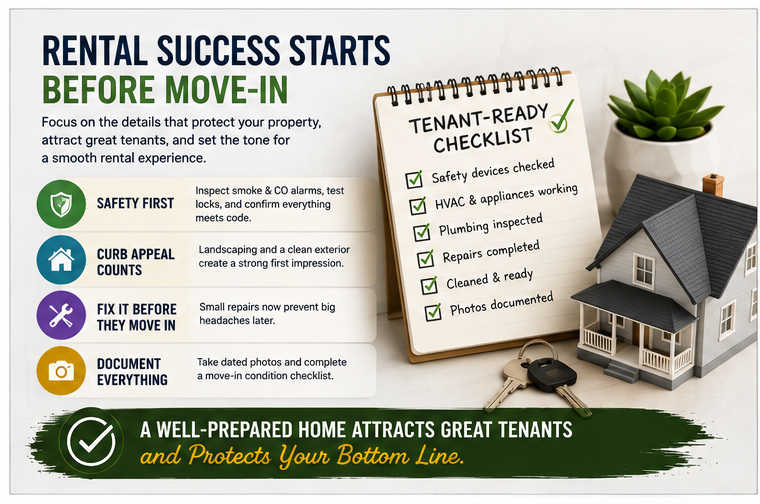
Start with a room-by-room walkthrough and fix anything that impacts safety, function, or first impressions: lights, locks, smoke and CO alarms, HVAC filter, appliances, paint touch-ups, and basic curb appeal. Document the condition with dated photos and a simple checklist so you can compare it at move-out. Aim for “clean, safe, and everything works” rather than luxury upgrades. - Screen applicants with a consistent checklist
Start by requiring a completed rental application from every adult who will live in the home so you are comparing people on the same info. Verify the basics before you get emotionally invested: income, job stability, rental history, and references, then run any background and credit checks you plan to use consistently. Consistency helps you avoid costly mismatches and makes your decision easier to explain. - Put the essentials in writing with a strong lease
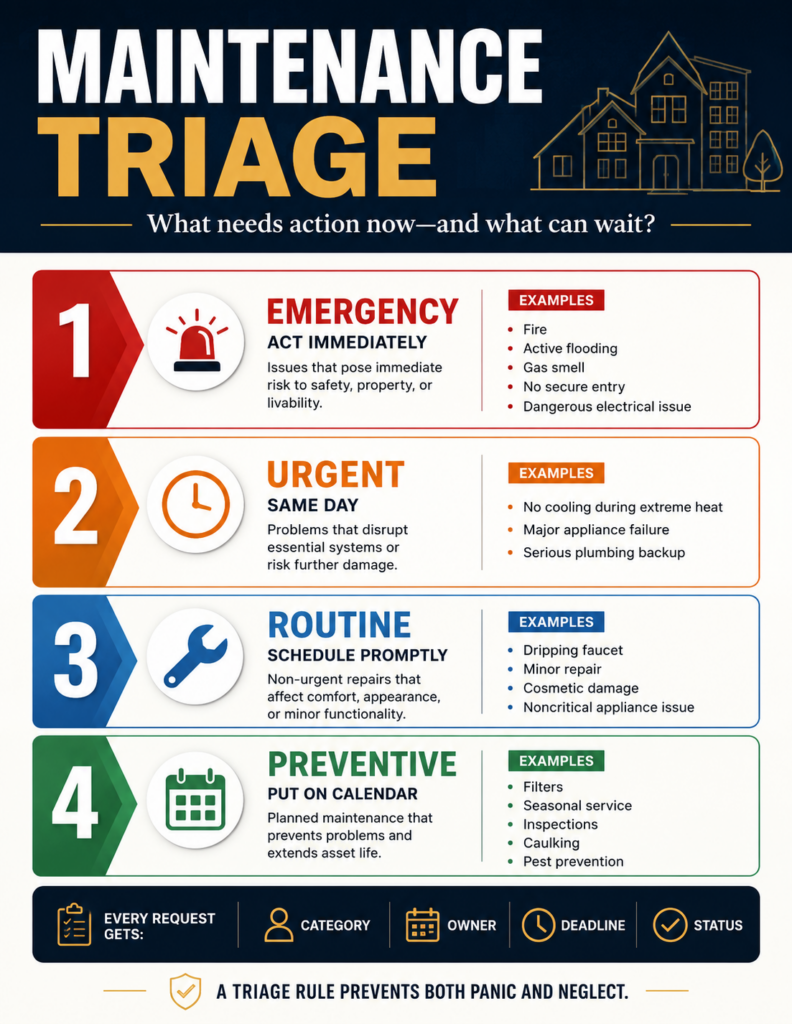
Use a lease that clearly spells out rent amount and due date, fees, deposit rules, who pays which utilities, occupancy limits, maintenance reporting, and lawn or snow responsibilities. Attach a move-in condition checklist and set expectations for communication, like how to submit requests and what counts as an emergency. Clear rules up front prevent awkward disputes later. - Choose self-manage or hire a property manager
Compare your real availability to the day-to-day reality: showing the home, answering questions, coordinating repairs, and handling late rent. Self-managing saves a fee but costs time, while a manager can reduce your workload and provide vendor and legal know-how. Decide based on your schedule and how quickly you can respond when something breaks. - Set a simple maintenance plan after move-in
Create a recurring calendar for basics like HVAC filters, smoke and CO alarm checks, gutter and yard care, and seasonal inspections. Tell tenants exactly how to report issues, then track every repair with dates, notes, and receipts so you can confirm your rental income records and expenses cleanly at tax time. A predictable system turns surprises into routine tasks.
Tenant-Ready Rental Setup Checklist
A simple checklist turns “I think it’s ready” into a confident, repeatable setup you can run every time. Use it to protect your budget, reduce surprises, and keep your rental running smoothly.
✔ Inspect safety devices and confirm smoke and CO alarms work
✔ Repair essential functions like locks, lights, plumbing, and appliances
✔ Deep-clean floors, kitchens, baths, and windows for move-in day
✔ Photograph every room and store dated condition notes
✔ Screen every adult applicant using the same required documents
✔ Sign a clear lease covering rent, fees, utilities, and maintenance rules
✔ Schedule recurring maintenance and seasonal exterior checks
Check these off, and you are ready to rent with confidence.
Build Steady Rental Income With Consistent Home Care Habits
Turning a home into a long-term rental can feel like a tug-of-war between “passive income” hopes and the real work of keeping a place safe, clean, and reliable. The owners who win long-term rental success treat it like a steady routine: stay consistent, follow the checklist mindset, and keep landlord responsibilities front and center. Do that, and the rental income benefits grow gradually, fewer emergencies, better tenants, and less churn. Passive income strategies work best when the property is actively cared for. Pick one checklist item today, schedule it, and set the next reminder before closing your calendar. That consistency builds resilience and more predictable cash flow over time.