This Content Is Only For Subscribers
When I talk to independent landlords who are ready to sell their properties and quit the business, the complaint is almost always the same. They are exhausted. They feel like they are tethered to their phone, waiting for the next text message about a running toilet or a stuck garage door. They have confused being a good landlord with being a concierge.
Welcome back to “Ask a Property Manager.” Today, we are drawing a hard line between providing excellent customer service and letting your tenants run your life.
The Myth of Immediate Action
There is a pervasive myth in property management that a good landlord fixes every problem immediately. If a tenant texts you at 9:00 PM on a Tuesday to say the dishwasher is making a funny noise, the anxious landlord replies immediately and tries to schedule a repair for Wednesday morning.
This is not good management. This is a fast track to burnout.
When you respond instantly to non-emergency issues outside of business hours, you train your tenants that you are always available. You set the expectation that their minor inconvenience is your absolute top priority. When you inevitably fail to meet that impossible standard down the road, they will be frustrated.
Being responsive does not mean being immediate. Being responsive means having a system that acknowledges the request and sets a clear, reasonable timeline for resolution.
Defining the Emergency
The first step in taking your life back is defining what actually constitutes an emergency. In the Texas rental market, the list of true emergencies is very short.
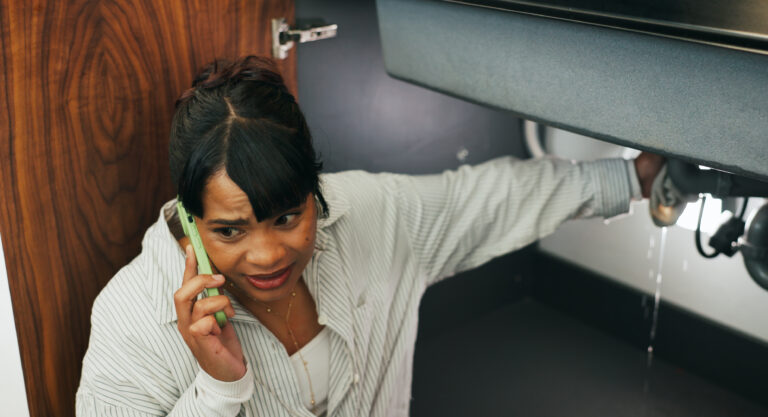
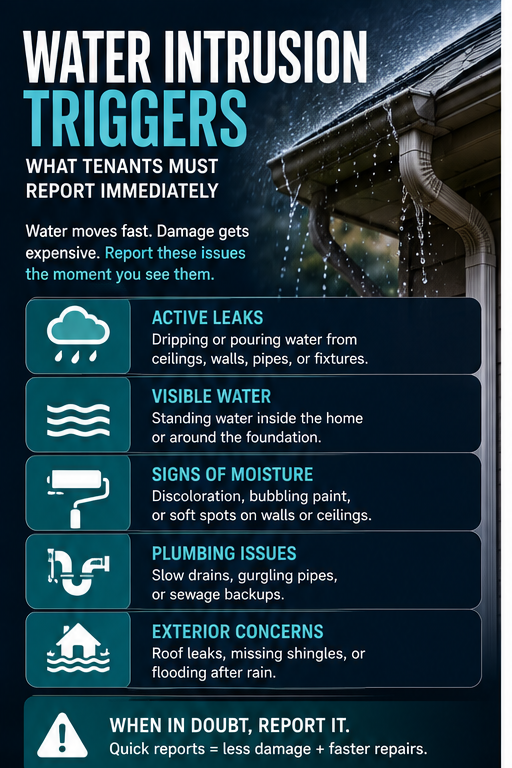
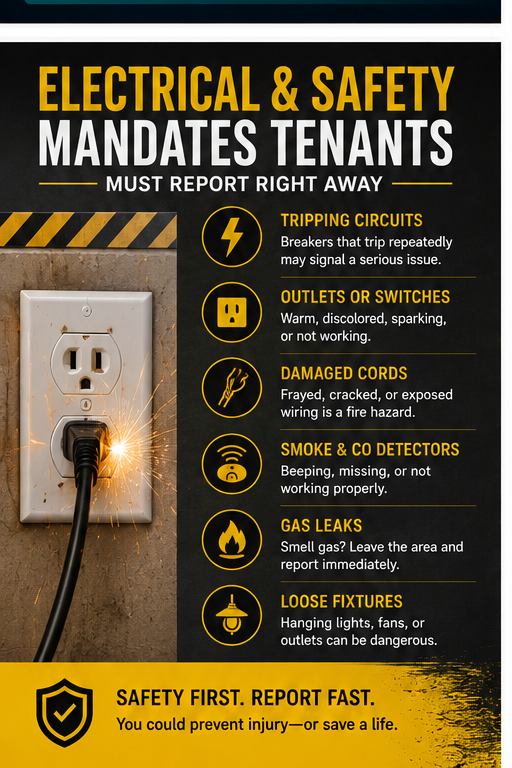
An active water leak that cannot be contained by shutting off a local valve is an emergency. A complete loss of power to the entire property is an emergency. A complete loss of air conditioning when the outside temperature is above a certain threshold—a very real concern during a Texas summer—is an emergency. A smell of natural gas is an emergency.
A dripping bathroom faucet is not an emergency. A broken microwave is not an emergency. A neighbor parking in the wrong spot on a Saturday night is not an emergency.
You must clearly define these categories in your lease agreement and your move-in packet. When a tenant understands exactly what justifies a midnight phone call and what does not, the midnight phone calls almost entirely stop. You remove the gray area where anxiety lives.
The Power of the Auto-Reply
If you are using a dedicated business phone line or a property management software portal, you have access to one of the greatest tools in modern property management: the auto-reply.
When a tenant submits a maintenance request at 10:00 PM on a Saturday, they should receive an immediate automated response. The response should say something like: “Thank you for your maintenance request. Our normal business hours are Monday through Friday, 9:00 AM to 5:00 PM. We will review your request and contact you on the next business day. If this is a life safety emergency or an active flood, please call our emergency line.”
This simple message is incredibly powerful. It validates the tenant by acknowledging their request was received. It clearly restates your boundaries. And it gives them an out if the situation is truly dire. Most importantly, it allows you to put your phone down and enjoy your weekend.
Managing the Timeline
Once you are operating within business hours, you still need to manage the timeline. If you receive a request on Monday morning for a running toilet, you do not have to have a plumber there by Monday afternoon.
You reply promptly to say: “I have received your request regarding the toilet. I have submitted a work order to our plumber, and they will be reaching out to you within the next 48 hours to schedule a time to come out.”
You have been perfectly responsive. You have acknowledged the issue and taken action. But you have also bought yourself and your vendor a reasonable window of time to handle the repair without paying emergency dispatch fees or disrupting your own schedule.

Reclaiming Your Time
You bought rental property to build wealth and create freedom, not to become a 24/7 handyman. By clearly defining emergencies, utilizing automated responses, and managing repair timelines, you can provide excellent, professional service to your tenants without sacrificing your personal life.
Set your boundaries, stick to them, and turn your phone off when you sit down for dinner. Your business will survive, and you will be a much happier landlord.